
Hidden between the frozen ground and the snowpack is a narrow layer called the subnivean zone. There, small animals go about their lives in the winter. Foxes, with their sharp senses, have learned to find food in this unseen world. Their winter hunts remind us that even in the coldest months, our world is full of activity!
The name “sunivean” comes from Latin words that mean “beneath snow.” This narrow layer forms when snow piles up over rocks, shrubs, or grasses and hardens on top, leaving a protected space underneath. It can also form through a process called sublimation, when warmth from the ground creates a small gap that later freezes into a stable ceiling. When snow is at least six inches deep, the subnivean zone stays close to 32 degrees Fahrenheit, even when the air above is much colder.
Small animals, like mice and voles, make their winter homes within the subnivean zone, with connecting tunnels where they travel, hunt prey, and collect plant material. If you know where to look, you might spot hints of their activity: tiny holes for air, tunnel openings, or tracks leading into the snow.
Foxes are among the most skilled hunters of the subnivean zone. Red foxes live across much of Oregon, while the Sierra Nevada red fox—a smaller subspecies—can be found around Mt. Jefferson, Mt. Washington, and the Three Sisters. During winter, the rodents that foxes rely on for food are active during the day beneath the snow. As a result, foxes are often more active during daylight hours in winter than they are in other seasons.
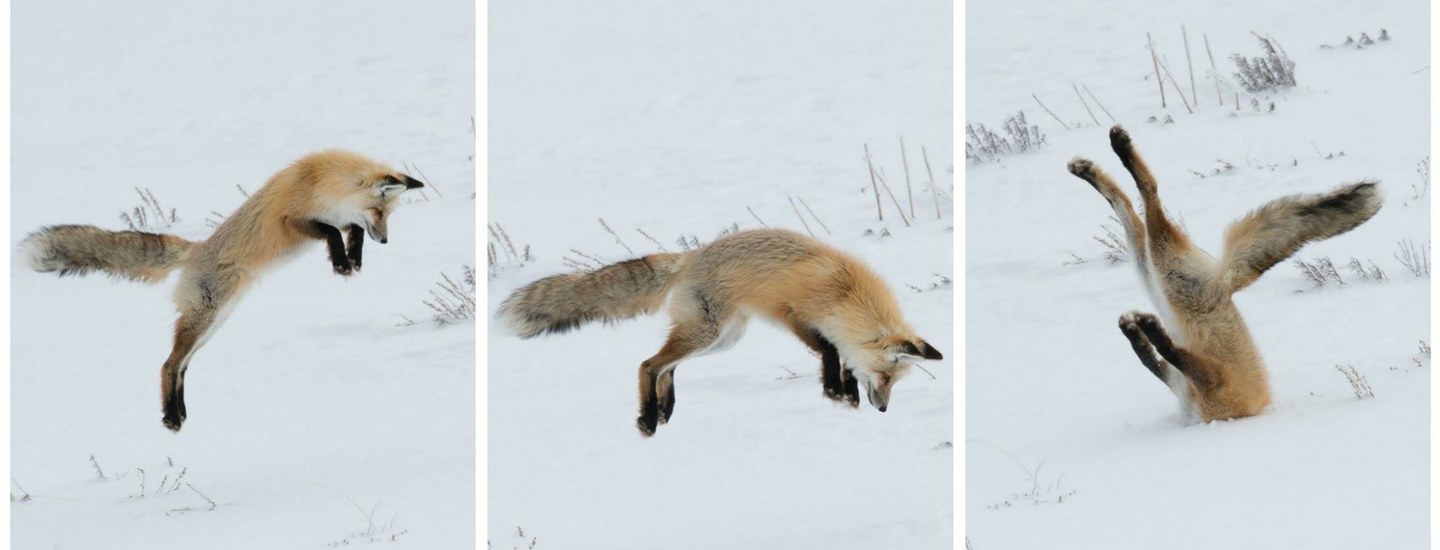
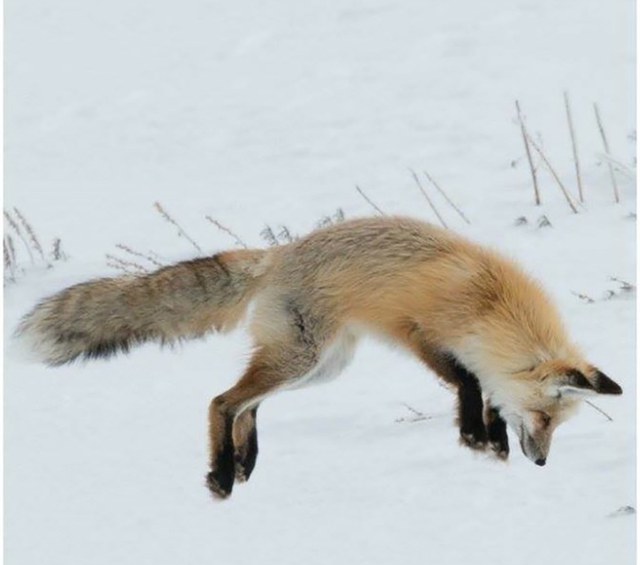
Foxes use their incredible hearing to listen for movement under the snow, even when it’s several feet deep. Once they pinpoint a sound, they leap high into the air and dive headfirst into the snow, steering with their tails to land in just the right spot. Their long, narrow snouts help them break through snow quickly and grab prey before it can escape.

Red foxes play important roles wherever they live. They help control rodent populations, which can reduce the spread of disease, and they also disperse seeds that support plant growth. At the same time, foxes face challenges from larger predators, habitat loss, and changes in prey availability, making them an important species for scientists studying how native animals and plants respond to change.
For some species, surviving winter would be impossible without a layer of snow. But the subnivean zone is at risk. With more winter days with less snow, animals that live in the subnivean zone are exposed to colder air temperatures and vulnerable to predators. Warmer winters also increase precipitation which makes the snow pack denser and decreases the warmth provided by the subnivean zone.
The subnivean zone can also be crushed by recreational activities, especially snowmobiles, making it extra important to stay on marked trails during winter outings.
The next time you’re out on a snowy trail, think about all that is happening just out of sight! Beneath the snow, animals are navigating a hidden world, while foxes hunt in this unique zone to survive the winter.
At Deschutes Land Trust, we work to protect and restore healthier lands and waters that support our wild neighbors in every season. This January 28th, during our upcoming Nature Night, we’re excited to explore one of Central Oregon’s most elusive winter residents—the Sierra Nevada red fox. We hope you’ll join us to learn more, ask questions, and celebrate the hidden stories unfolding beneath the snow.
Learn More:
- How Wildlife Stay Warm in Winter
- Winter Wildlife Tracking
- Winter isn’t coming
- Predators: Why Do They Matter?
Sources:
- Beneath the Snow: The Subnivean Zone, Schlitz Audubon
- Biogeography of the Subnivean Zone, Cal Geographic
- The Subnivean Zone, Illinois Department of Natural Resources
- Species Spotlight - Red Fox, National Park Service
- Coyotes, Wolves and Foxes, Oregon Department of Fish & Wildlife